
Deep Brain Stimulation
Providing clarity to decarbonise complex medical procedures
Reducing carbon in Deep Brain Stimulation
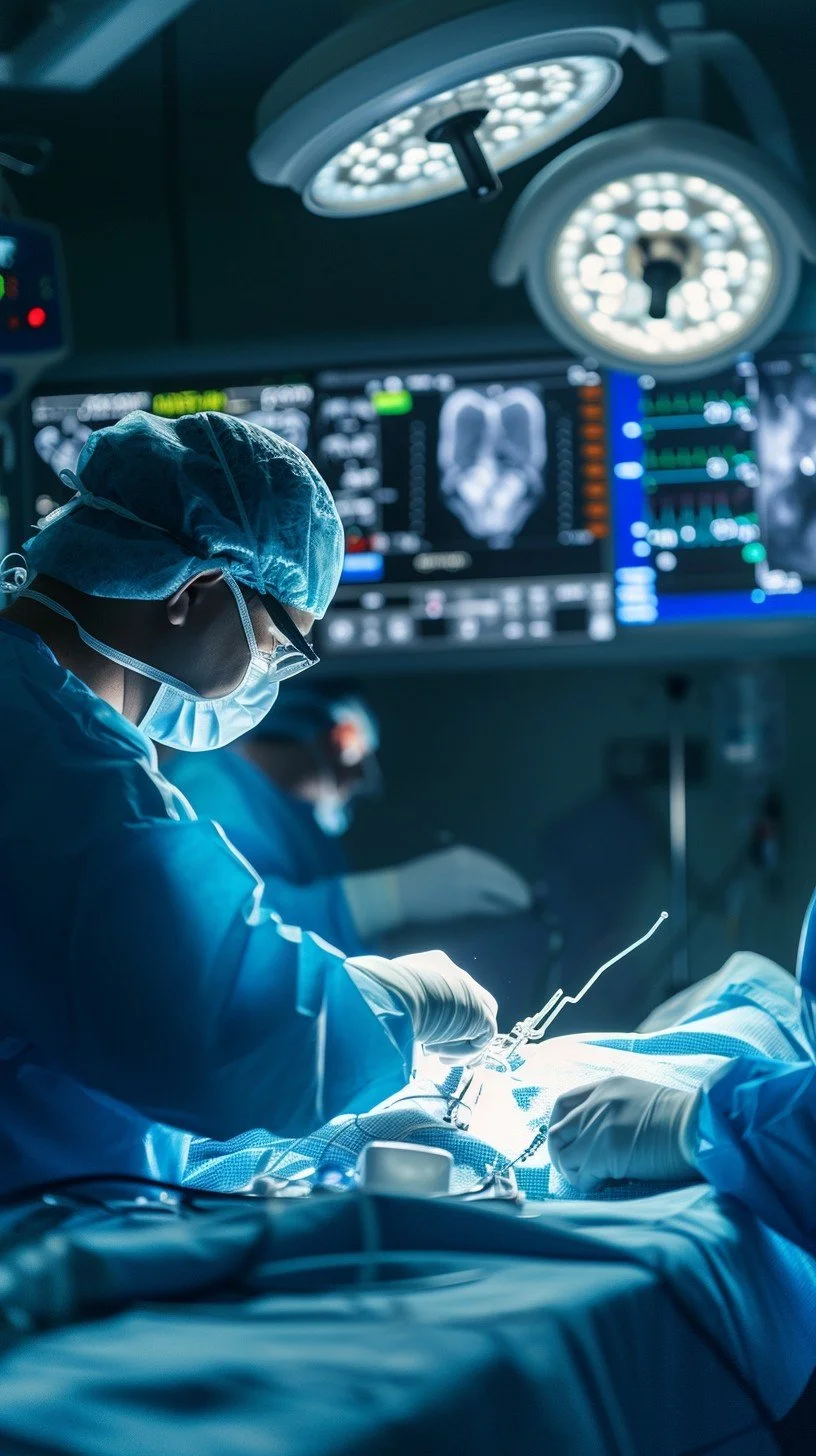
Client: St George’s University Hospitals NHS Foundation Trust – Deep Brain Stimulation (DBS) surgical team. The team wanted to understand the environmental impact of their DBS procedure and identify credible opportunities to reduce carbon and waste without affecting patient care.
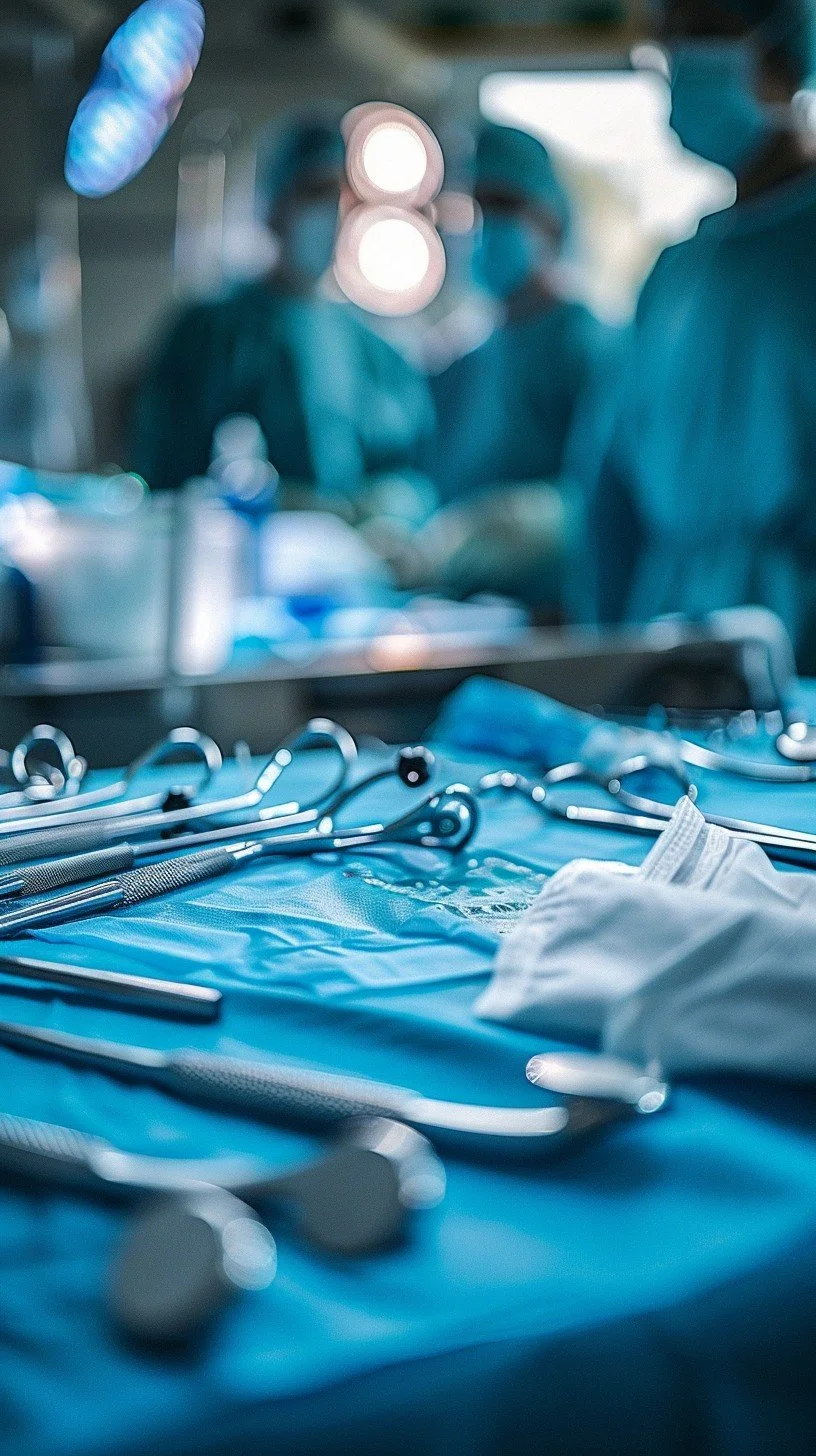
Approach: We estimated the carbon footprint of the key devices and components used in DBS surgery, from reusable instruments to single-use items. Using available product data, industry benchmarks and recognised life cycle assessment (LCA) methods, we produced clear, comparable carbon estimates for each item. These insights were fed directly into an audit of a revised “NetZero DBS” workflow, helping the team trial small but meaningful changes to how procedures were prepared and delivered.
Challenges: Operating theatres are highly resource-intensive and complex environments, making it difficult for clinical teams to pinpoint where the biggest environmental impacts occur. Limited product-level carbon data from manufacturers also created gaps that needed to be bridged through careful estimation, benchmarking and transparent assumptions. The team also needed to ensure any proposed changes did not compromise clinical outcomes or introduce additional complexity in theatre.
Deliverables: Carbon footprint estimates for key DBS surgical items, Comparative analysis of reusable vs single-use components, Insights to support a revised NetZero DBS workflow, Infographic visuals to support presentation to the British Society of Stereotactic and Functional Neurosurgery (BSSFN) national meeting
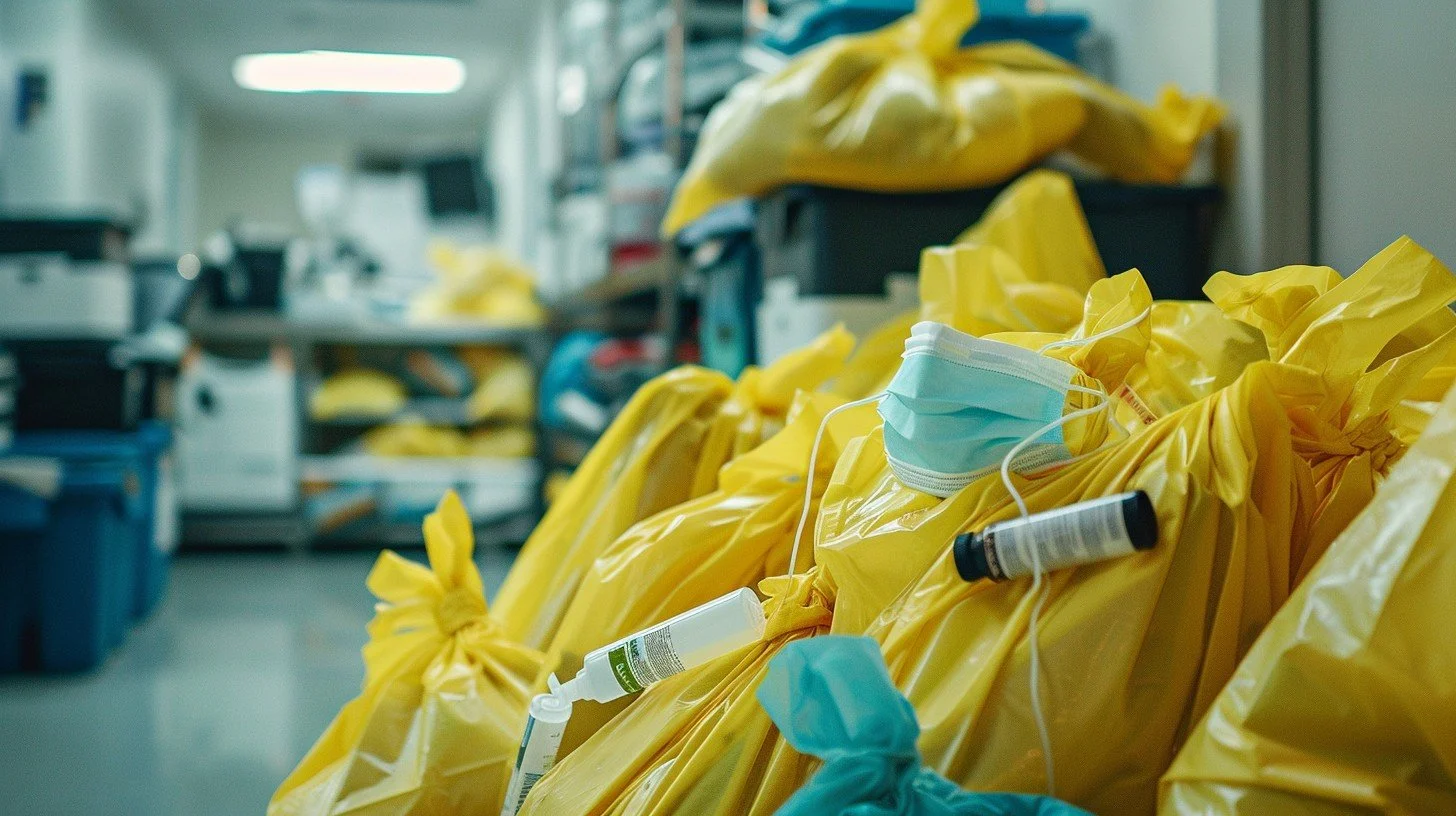
Impact: The revised workflow achieved a 12% reduction in carbon emissions and 19% reduction in waste per procedure, with no impact on safety or clinical outcomes. The project enabled the team to take data-driven action on sustainability and strengthened the case for more transparent carbon information from MedTech manufacturers. It also contributed to a forthcoming academic publication, helping share learning across the neurosurgical community.
“We’d been talking about decarbonising our DBS pathway for some time, but we lacked the data to know where to focus our efforts. Working with Pd-m gave us exactly that. They translated a complex life cycle assessment process into clear, actionable carbon insights that we could build into our ‘NetZero DBS’ workflow.
The collaboration ultimately supported the development of a paper that we hope to be published very soon. This is a huge step forward in sharing this learning with the wider neurosurgical community.”